
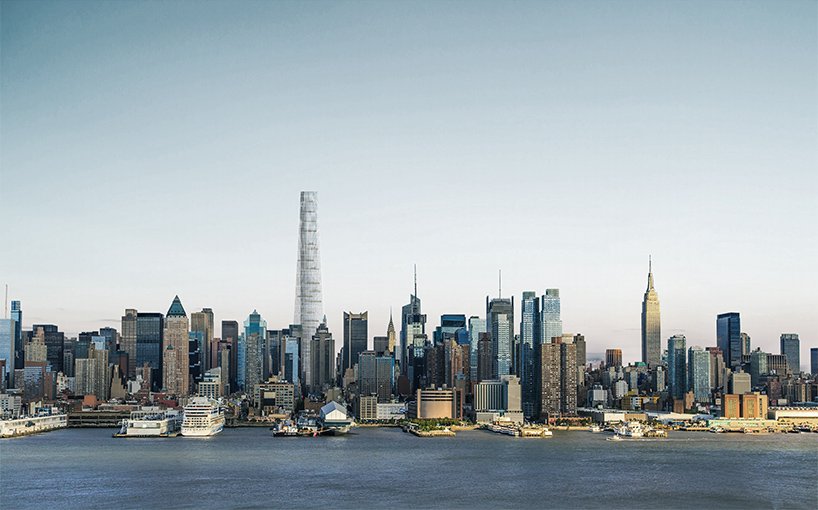
winning honorable mention in the skyhive 2020 skyscraper challenge, lissoni casal ribeiro‘s skylines project imagines a vertical garden city for a hypothetical site in NYC. inspired by nature, the concept proposes not just a building, but a complete, self-sufficient ecosystem. the multi-use tower collects rainwater and gathers energy from the sun and the wind, transforming it from its tensioned cables into electricity to be used by inhabitants.
all images courtesy of lissoni casal ribeiro
this ecosystem envisioned by lissoni casal ribeiro provides extensive gardens and cultivated platforms for everyday needs. the tower is configured to maximize the functionality of the interior and exterior spaces and guarantee structural efficiency. starting from an 80 x 130m urban lot, a main central core hosts the primary functions that are completely surrounded by large hanging gardens supported by an external curtain of steel cables, which act as both the structure and the façade.
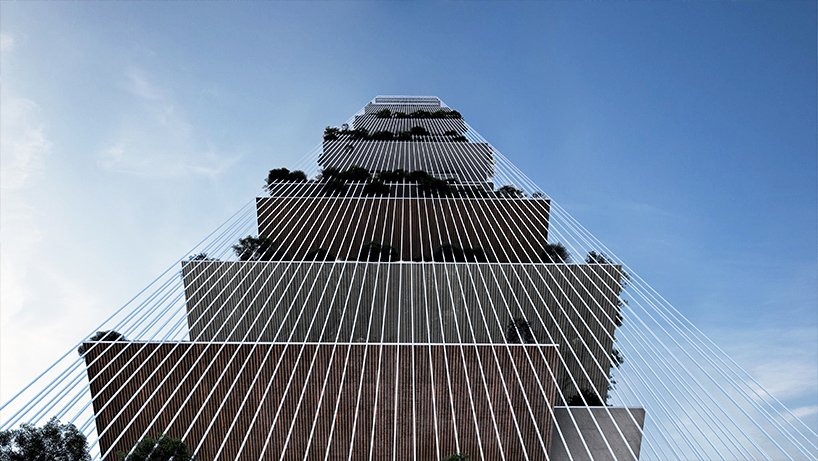
the floors are suspended between the central core of the building and the live cables, the latter being hooked by mechanical steel head elements
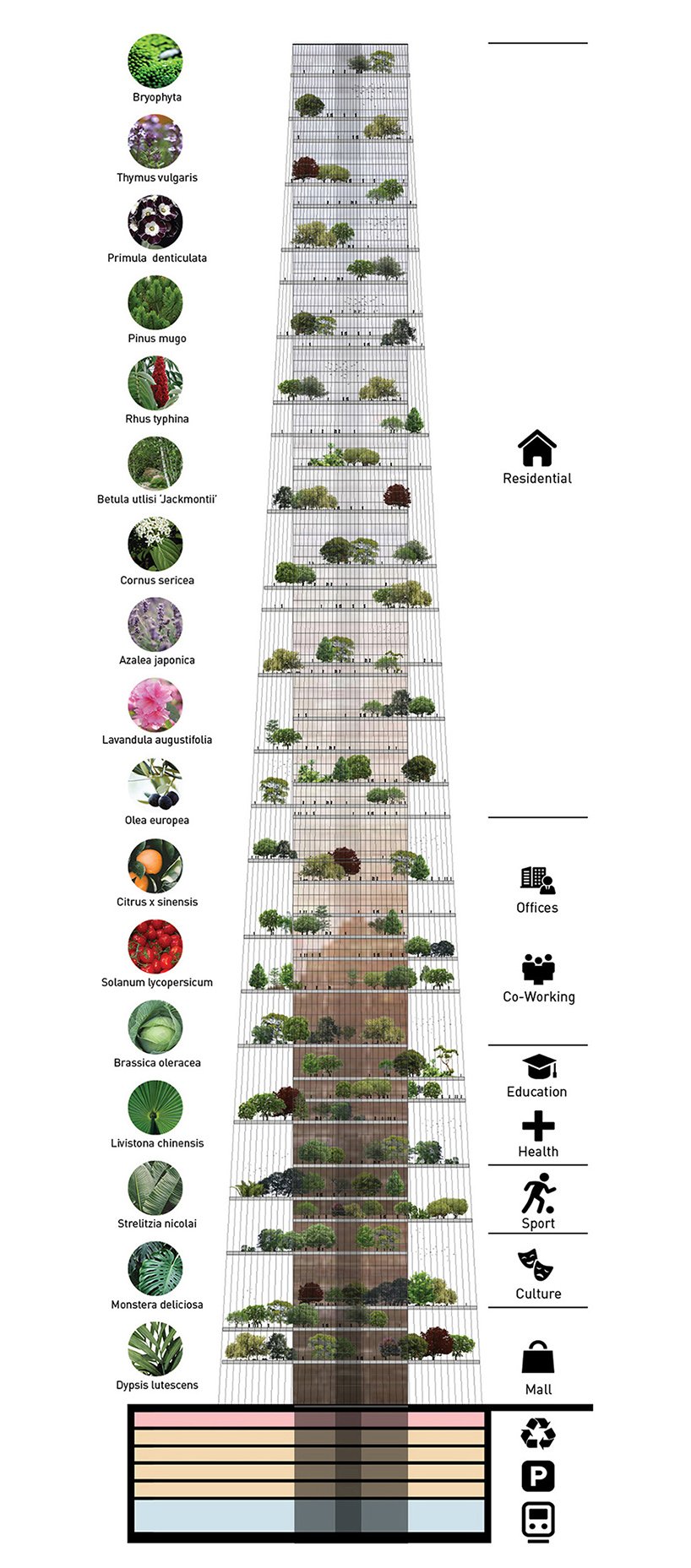
the main concept of the project is to create an ecosystem that will give autonomy and independence to inhabitants, in other words, creating a building that works as a garden city. the functions are distributed vertically, allowing space at the bottom for activities that take advantage of the large garden platforms, while higher up the functions take advantage of the incredible views across new york city.
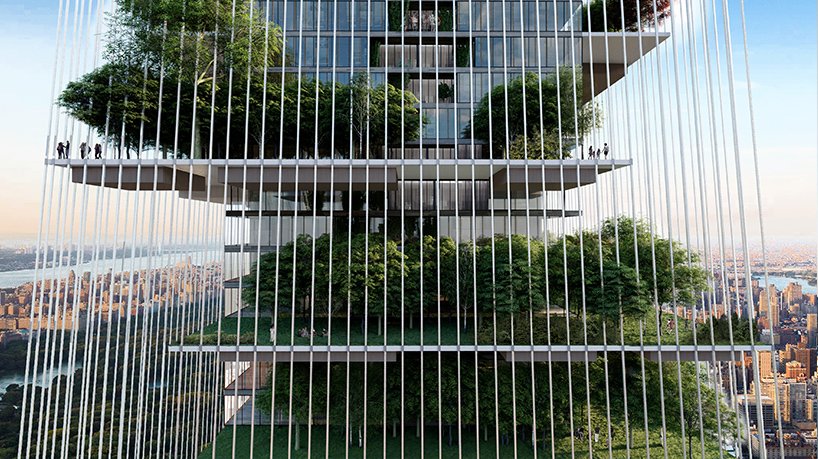
the main idea of the project is to create an ecosystem that will give autonomy and independence to those who live inside
on the lower floors are the public and cultural functions. immediately above is a kind of garden city with immense cultivated platforms incorporating soilless systems that reduce heavy metal contamination in city-grown food. above these vegetable gardens is the sports area with ample space to host a huge variety of sports from football to swimming. over this is a hospital that is also immersed in greenery and is highly equipped to deal with any health emergency.
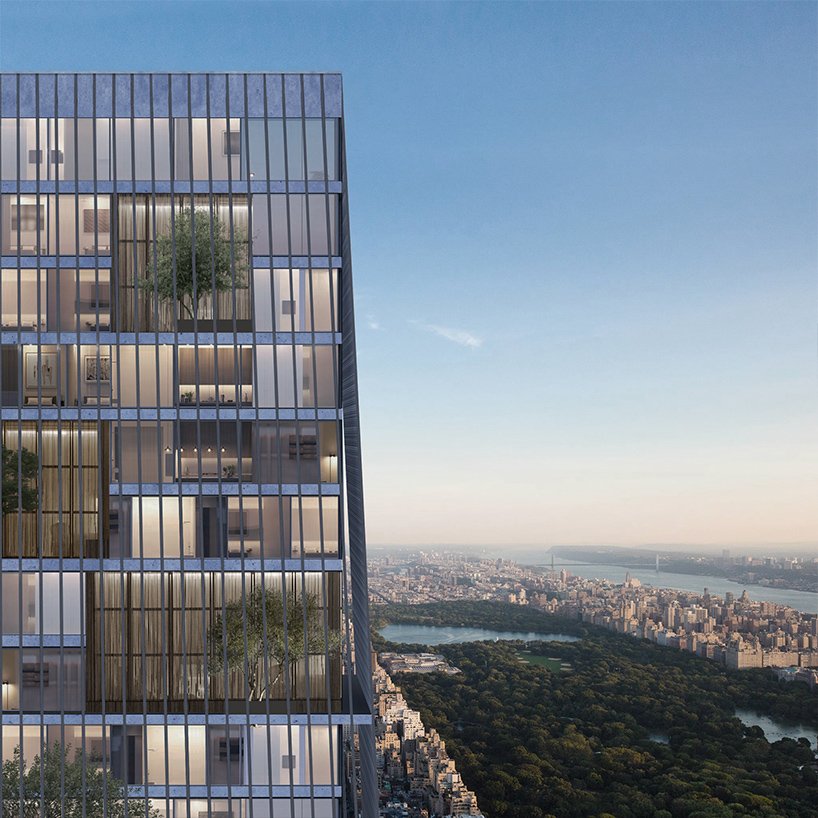
the design and structure of the tower enables an effective balance between external and internal spaces
in light of COVID-19, the design also reflects on how architecture of the future must also be imagined for a future lockdown. above the hospital are floors dedicated to teaching, with schools and universities. the program also includes co-working spaces and offices, which incorporate the surrounding greenery and even bring it into the workspace. finally, the remaining floors contain private residences with breathtaking views.
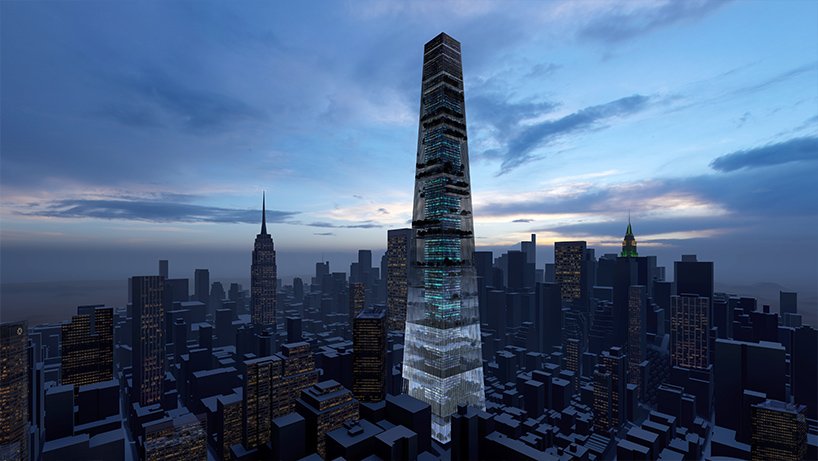
functions are distributed vertically, allowing space at the bottom for activities that take advantage of the large garden platforms, while higher up the spaces take advantage of the view
in terms of energy requirements, the building is completely self-sufficient and the goal is to generate a vertical urban forest that creates a different biodiversity. it is a system that recycles, produces and optimizes energy, creating a new microclimate by filtering the air, absorbing carbon dioxide, producing humidity, ensuring protection from solar radiation and noise and reusing the rainwater for irrigation of the green areas.
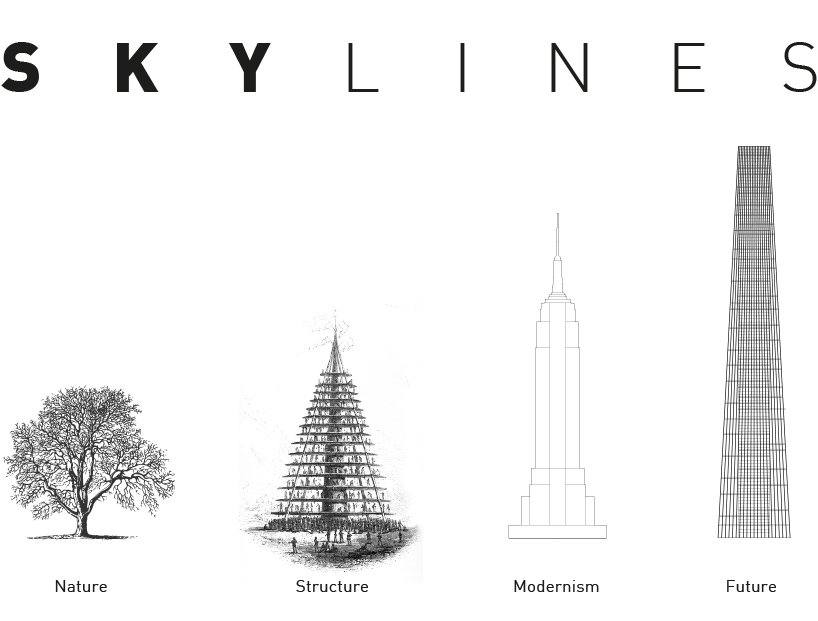
the design takes inspiration from nature and its most inspiring element, the tree
the floors incorporate great expanses of glazing, they are conceived as large grids of primary and secondary steel beams that guarantee rigidity and dynamism to the load stresses
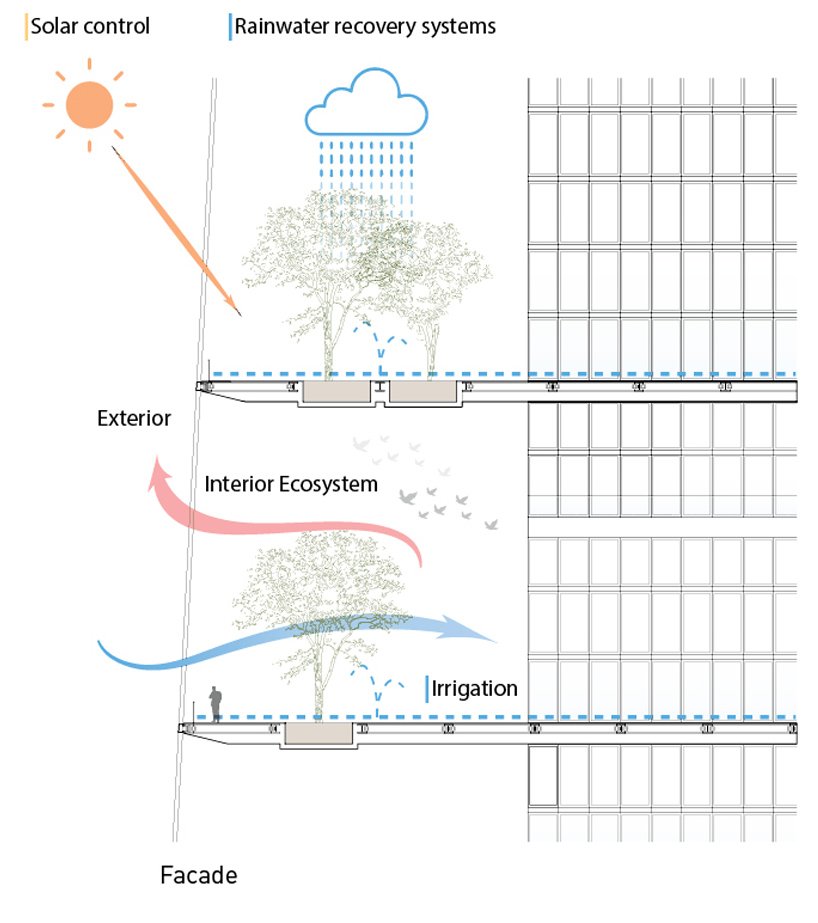
the logic underlying the structure aims to establish a static balance between live cables and the building’s primary structural gridwork
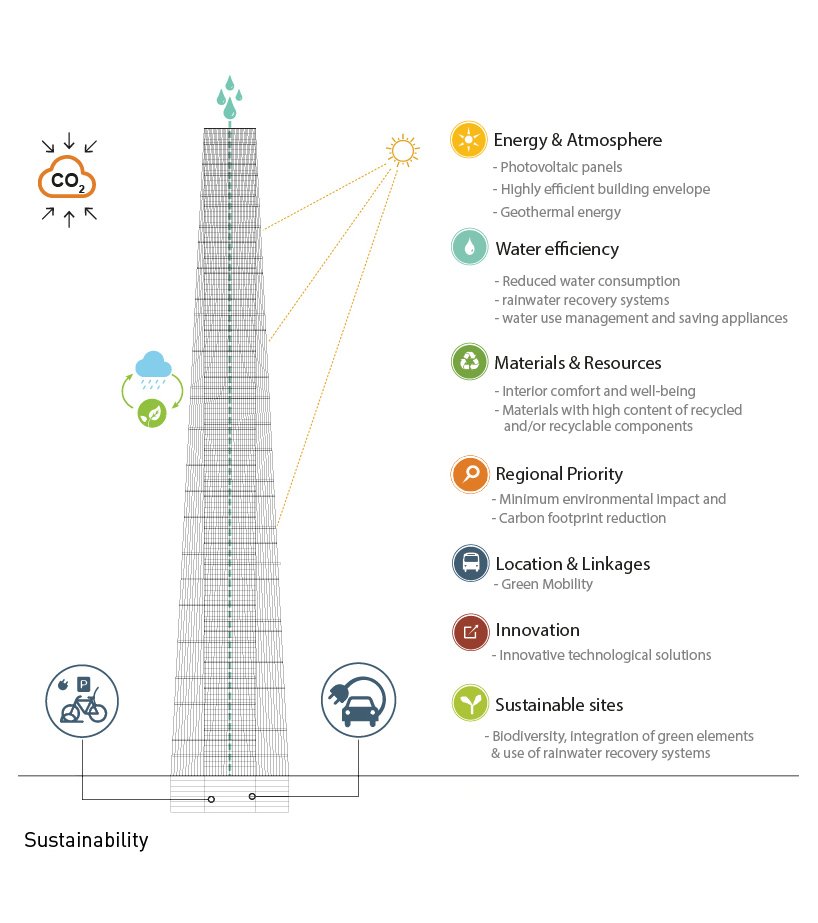
in terms of energy requirements, the building is completely self-sufficient and the goal is to generate a vertical urban forest that creates a different biodiversity
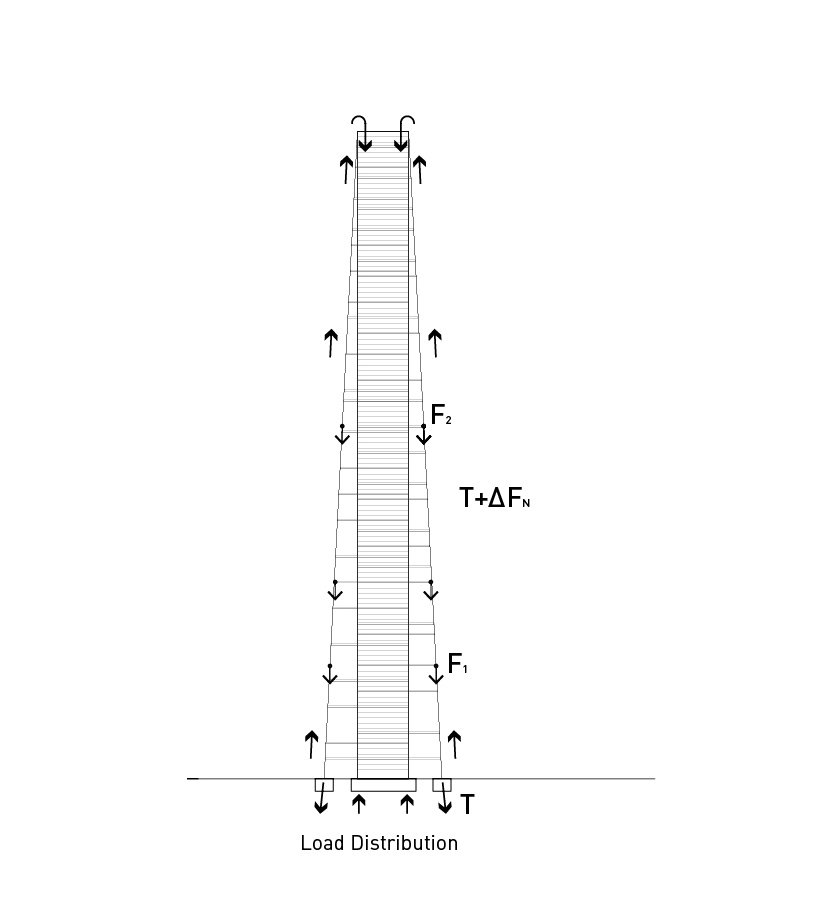
the weight of the suspended floors is discharged directly to the central structure of the building down to the foundations at ground level
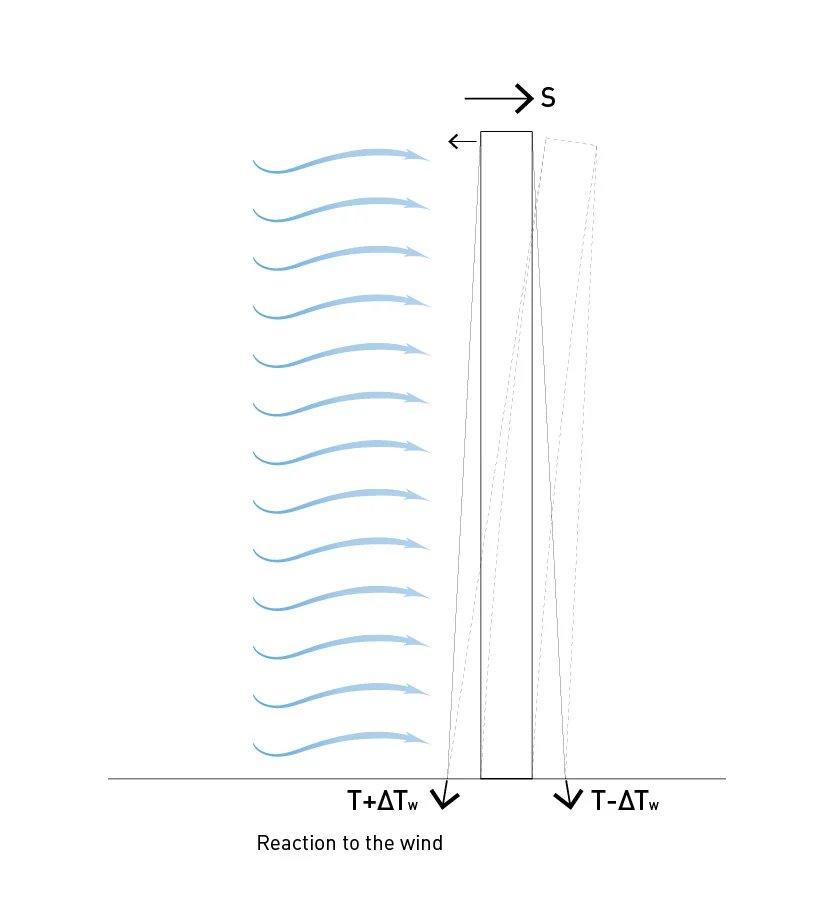
the main structure of the tower and the cables that surround it confers an efficient structural response to wind stresses whatever the direction or height, ensuring the maximum stability
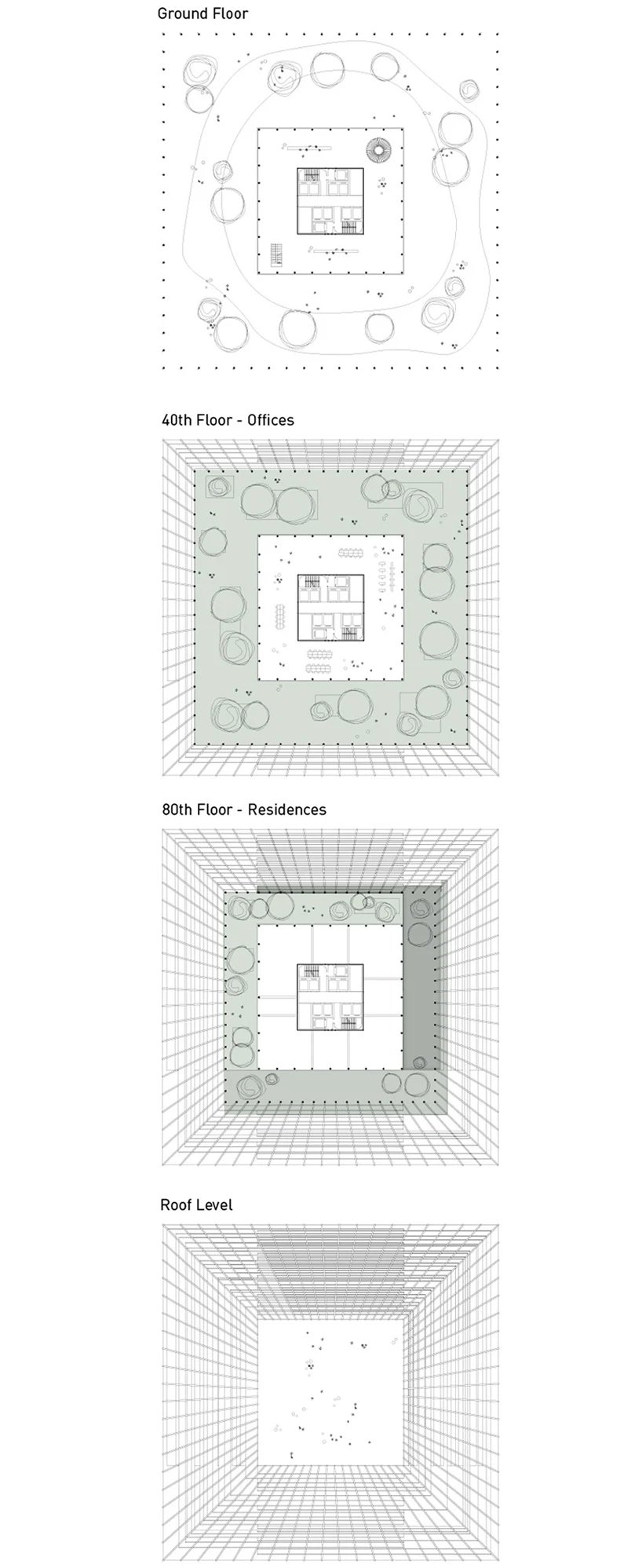
above the lower public floors is a kind of garden city with immense cultivated platforms incorporating soilless systems that reduce heavy metal contamination
project info:
project name: skylines
competition: skyhive 2020 skyscraper challenge
architect: lissoni casal ribeiro
design team: piero lissoni, joao silva, with fulvio capsoni and davide apolloni
designboom has received this project from our‘DIY submissions‘feature, where we welcome our readers to submit their own work for publication. see more project submissions from our readers here.
edited by: lynne myers | designboom