

thomas mair prolongs the life-cycle of a coffee machine
Setting a more sustainable standard for domestic appliance design, Thomas Mair’s modular Kara coffee machine is built to be repairable, recyclable, and long-lasting. Seeking to reduce landfill waste and increase each product’s lifecycle, the product designer composes the machine of simple, clearly labeled modules that can be swapped out easily and without any technical knowledge or tools.
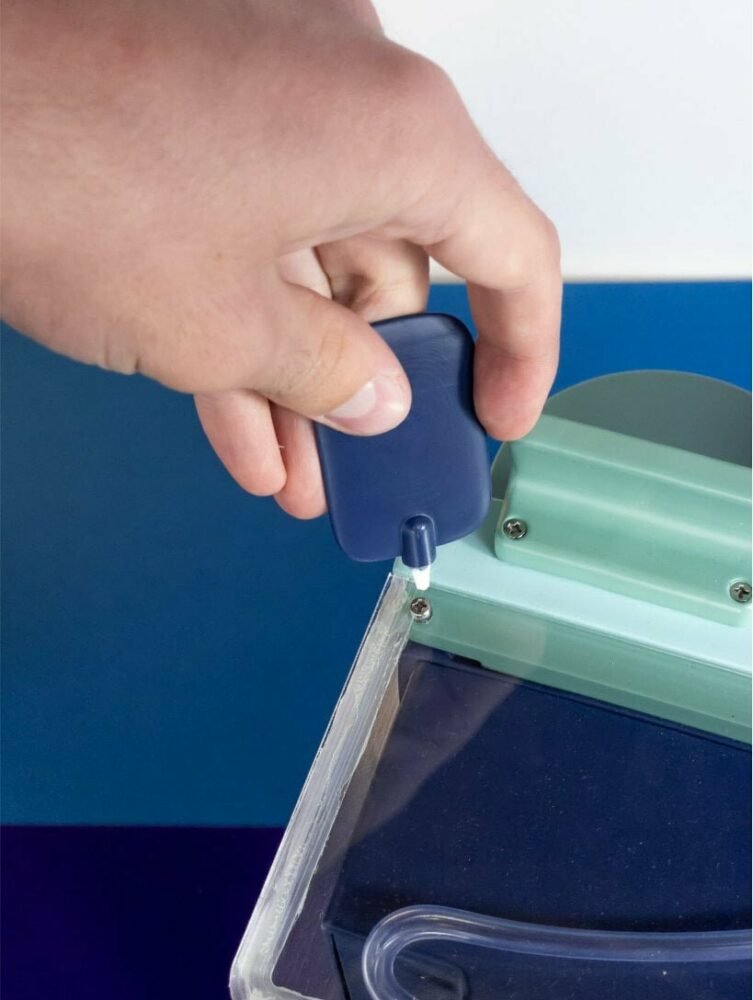
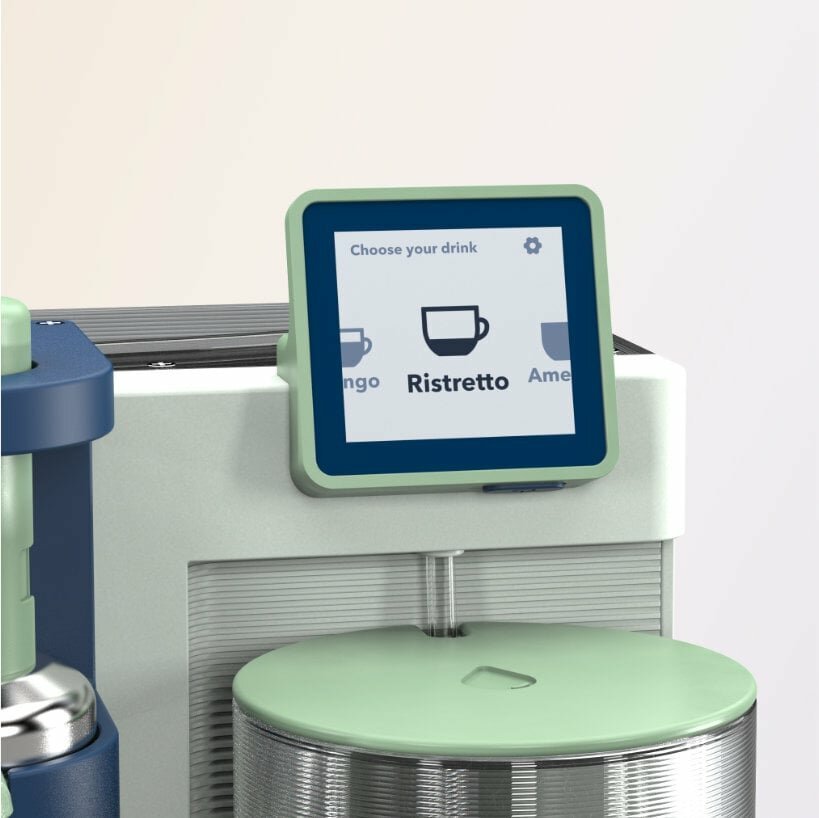
With an attractive design that adds a splash of color to the kitchen counter, Kara urges the user to fix the machine if any problems arise. Simply labeled components, a written instruction manual, and an interactive touchscreen together guide the maintenance process for an easy fix.
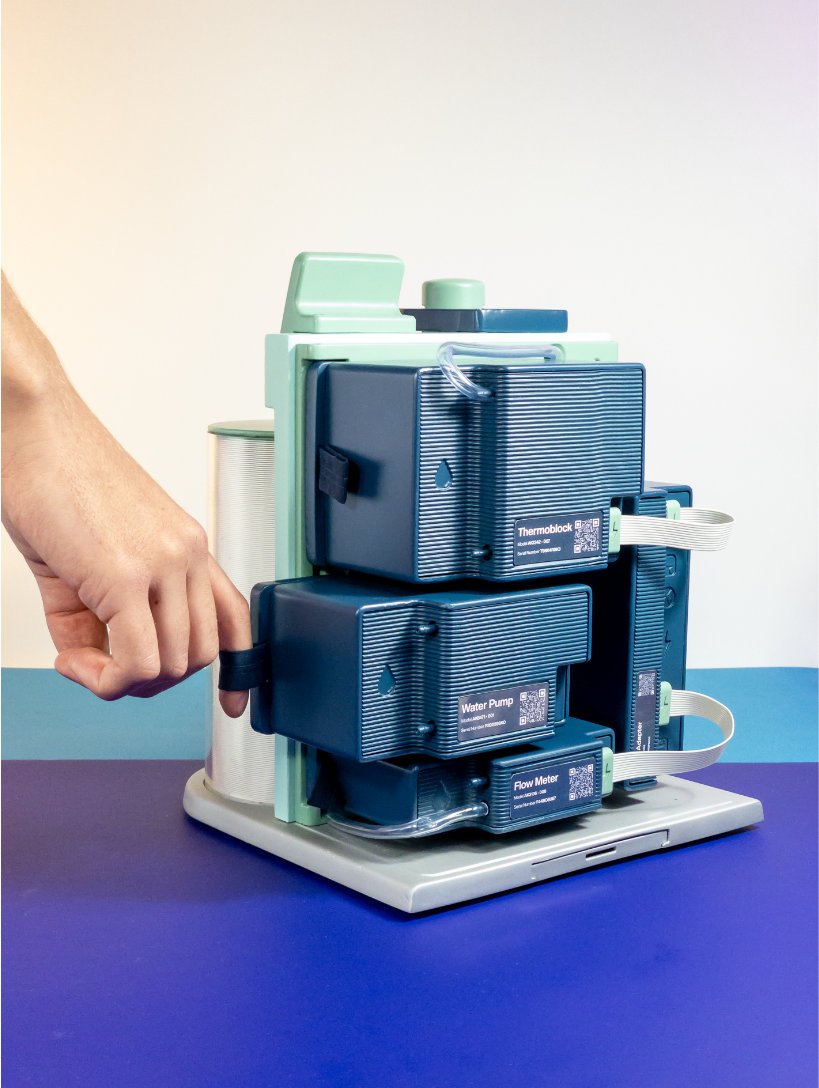
each module of the coffee machine can be removed without special tools | all images courtesy Thomas Mair
a modular design that makes repair more accessible
Thomas Mair notes that: ‘the way we treat electronics is fundamentally broken. When an appliance breaks, instead of fixing it, we replace it. When we do, it’s estimated that only one fifth of electric goods actually get recycled. This is not, and cannot be sustainable.’Setting out to fix this problem, the designer conceives an alternative way of designing and building electronics — one that looks at the entire life cycle of the product and encourages maintenance and repairability while minimizing waste. The result is a trendy modular coffee machine design where, if damaged, repairing it is the only logical choice.
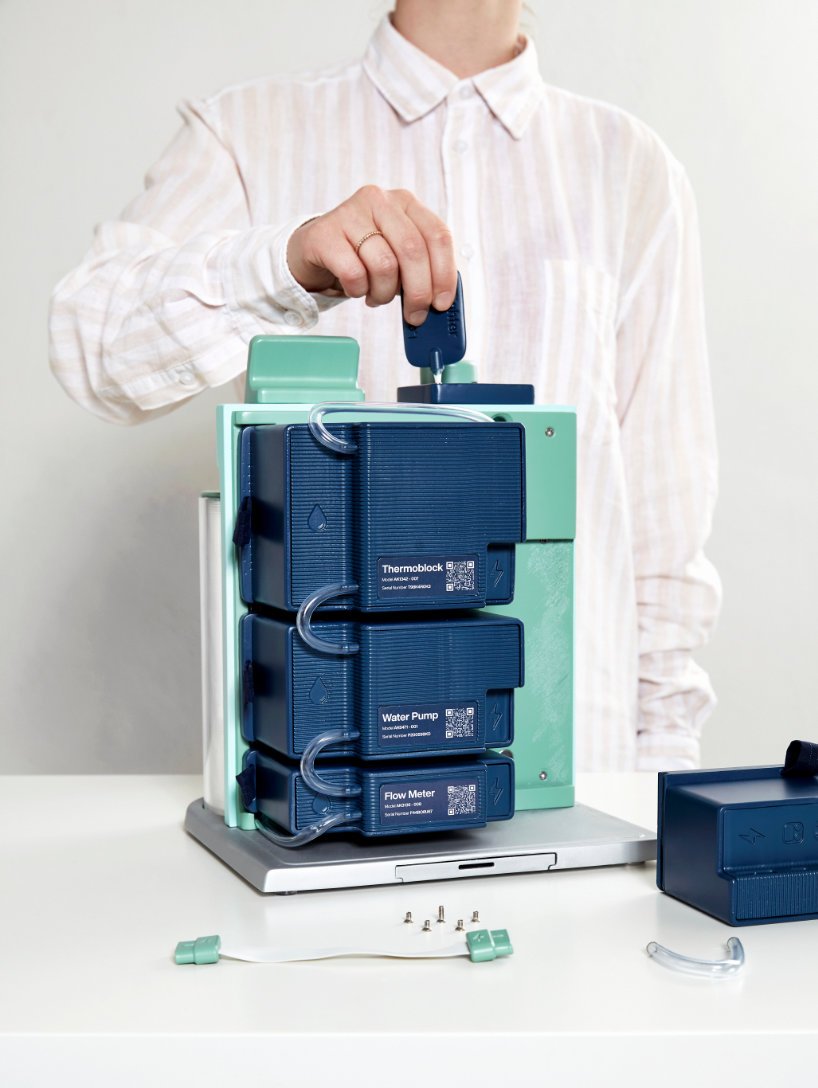
Kara coffee machine by Thomas Mair
Thomas Mair’s Kara coffee machine is designed to be easily repaired without the need for specialized tools or technical know-how. The shell is designed so that each part can be 3D printed if you don’t have access to its original replacement, and technical components — which are part of an open system — can be easily replaced or substituted. Easy to disassemble and recycle, the machine uses different colors to distinguish separate plastic parts for easy use, and also for an attractive design to enliven the kitchen.
Kara also heavily relies on design cues to communicate its repairability to the user. On a day-to-day basis, users interact with the front which includes everything they may need to prepare their cup of coffee, while the concealed back is dedicated to maintenance and repair. Meanwhile, internals aren’t hidden and are instead embraced as part of the design. Labels further clearly indicate when each part is in the right place and aligning magnets make assembly a breeze. The supplementary user manual also explains each step simply and logically for the layman, while a small touchscreen informs about the maintenance processes.
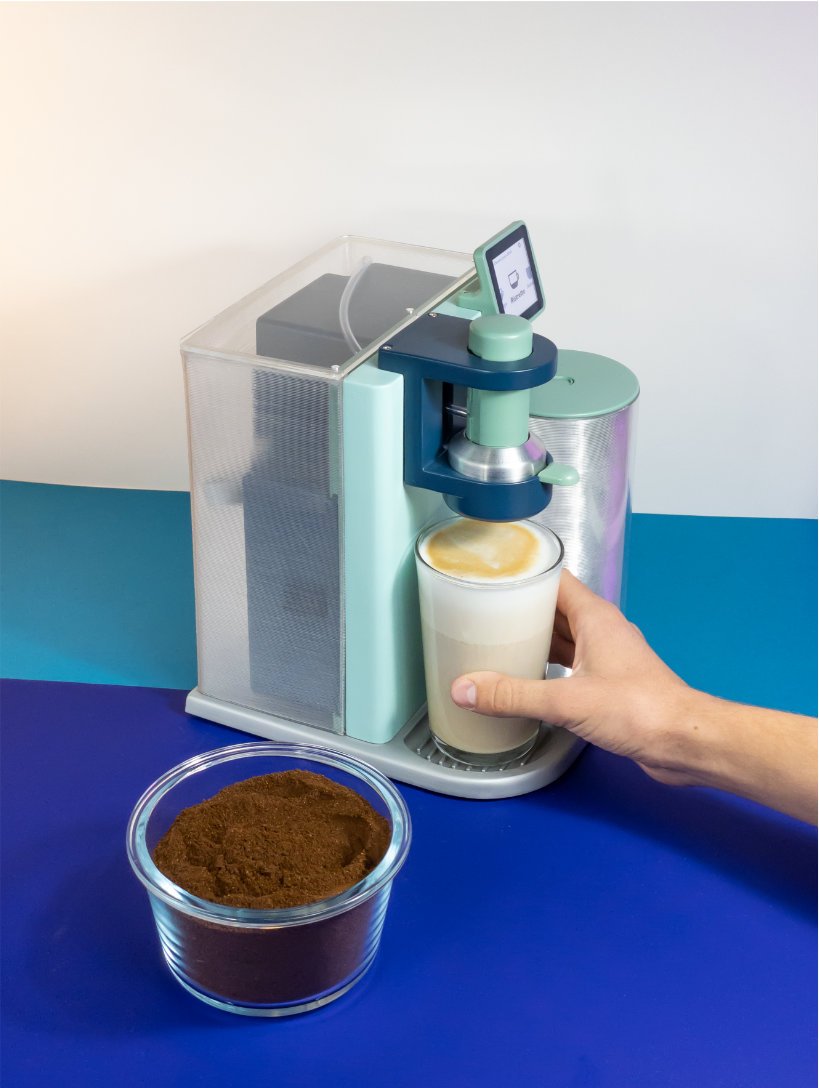
Kara in use
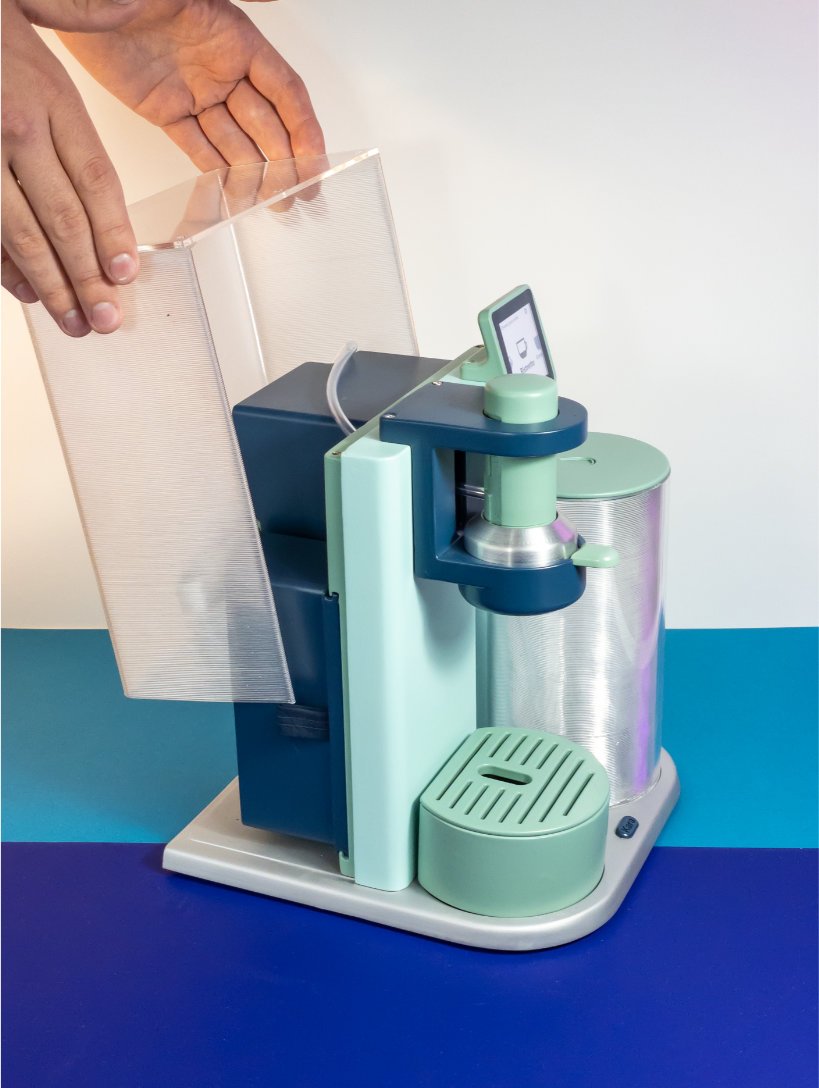
the transparent back case comes off with ease
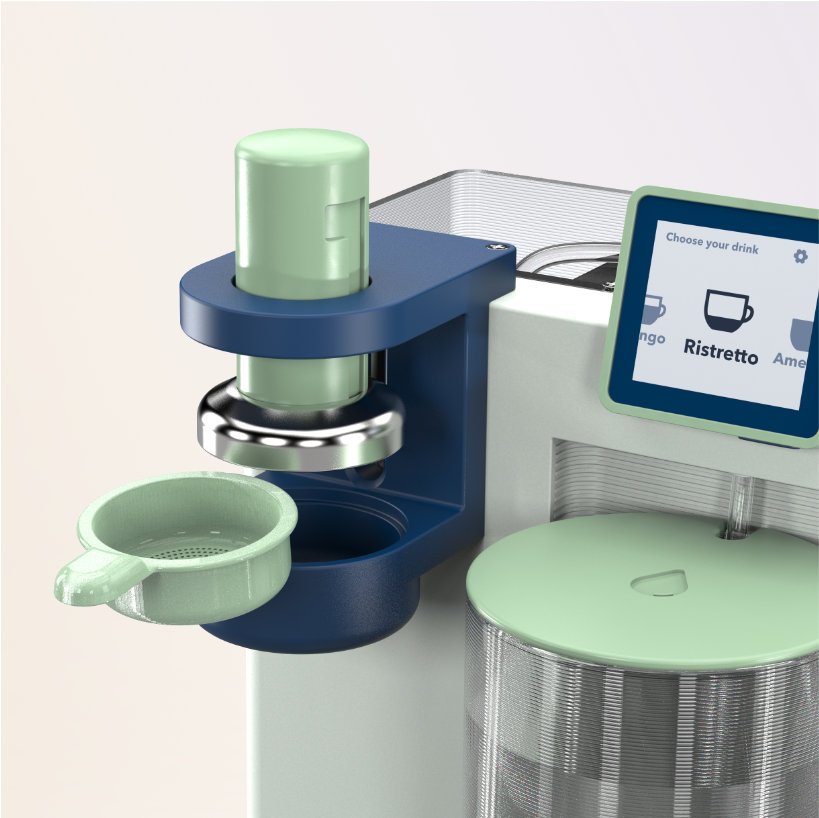
Kara’s hopper and brewhead assembly are modeled after a tamper and spoon
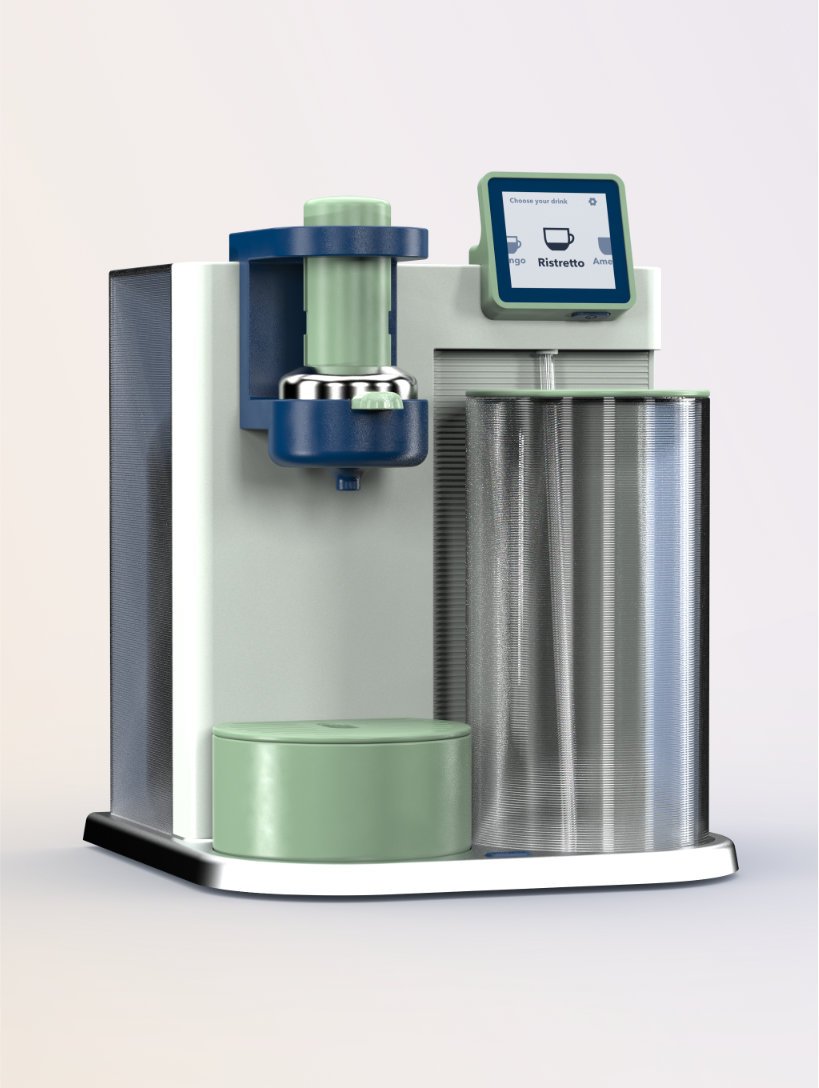
Thomas Mair sets a more sustainable standard for domestic appliance design
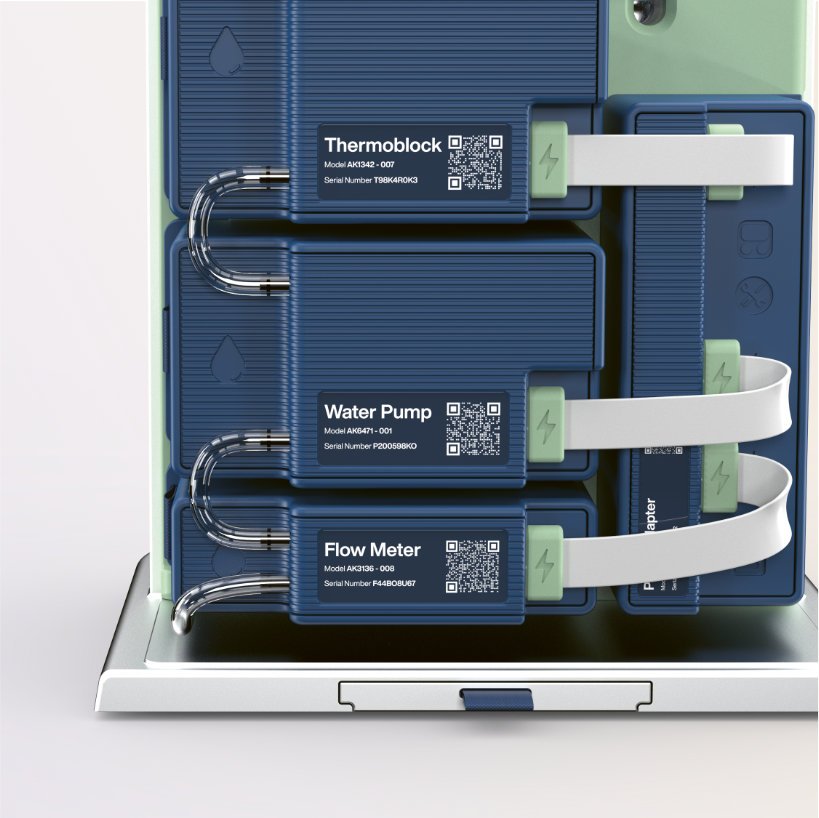
each module has a QR code that links to a product passport, informing about materials, repair & recycling
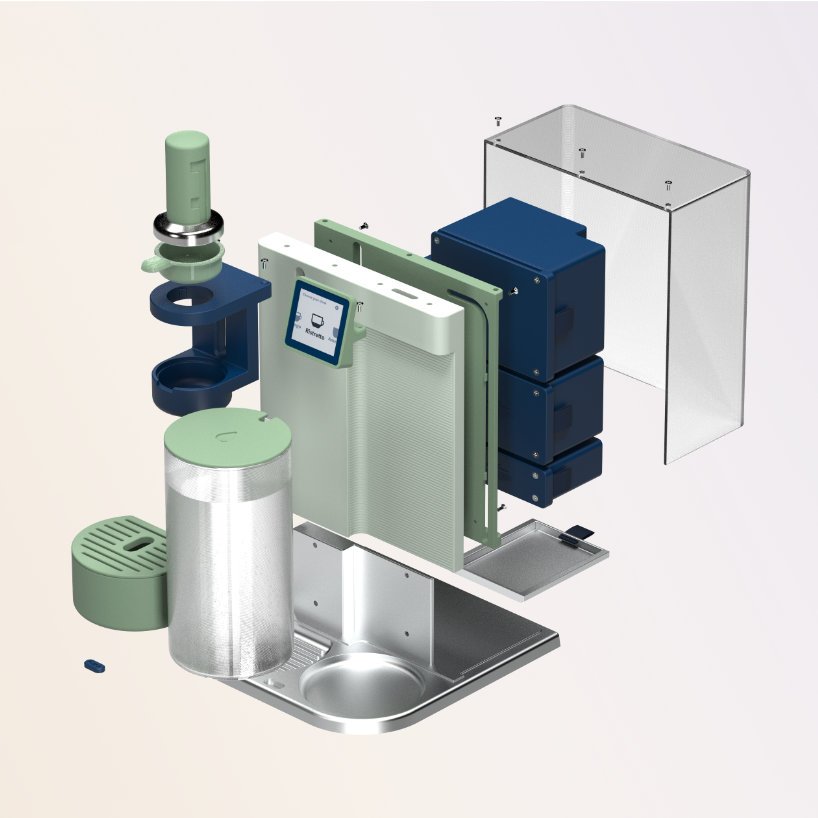
easy to disassemble and recycle, Kara uses different colors to distinguish separate plastic parts

project info:
name: Kara
designer: Thomas Mair
designboom has received this project from our DIY submissions feature, where we welcome our readers to submit their own work for publication. see more project submissions from our readers here.
edited by: ravail khan | designboom